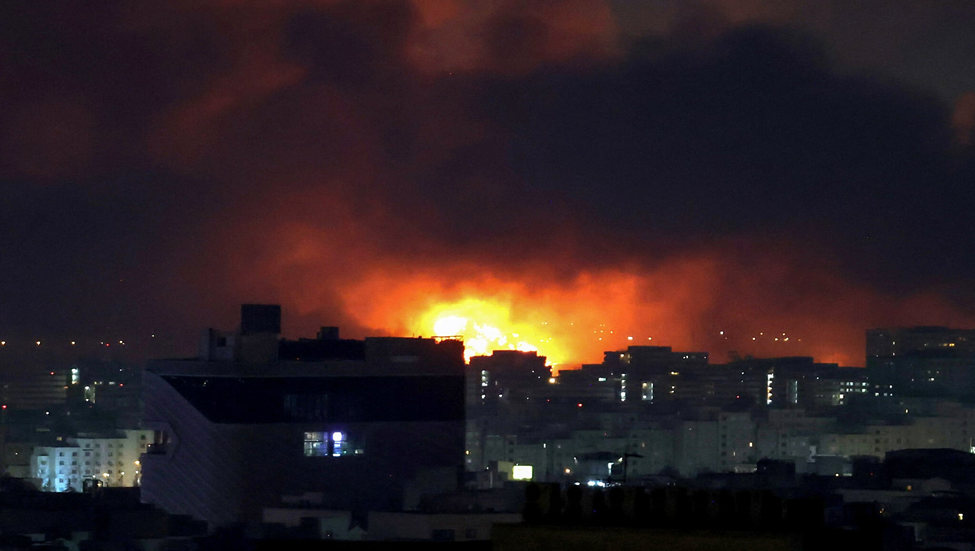
The conflict involving Iran, Israel, and the United States has escalated into one of the most serious Middle East crises in recent decades. Since the outbreak of hostilities at the end of February 2026, the war has rapidly expanded beyond the borders of Iran, drawing in several countries across the Persian Gulf and raising fears of a wider regional conflict.
Background of the Conflict


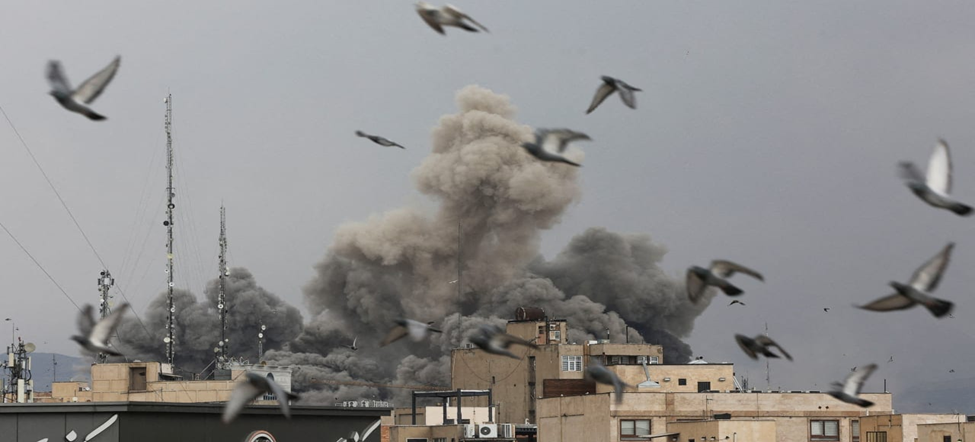
The current war began on 28 February 2026 when Israel, reportedly with the support of the United States, launched coordinated air and missile strikes on several Iranian military and nuclear facilities in an operation known as Operation Lion’s Roar. The attacks targeted strategic installations in cities such as Tehran and Isfahan, with the stated aim of weakening Iran’s military capabilities and preventing what Israel considers a growing nuclear threat.
The strikes marked a dramatic escalation of years of tensions between Iran and Israel over Iran’s nuclear programme, missile development, and its support for armed groups across the Middle East.
Iran’s Retaliation and Expansion of the War
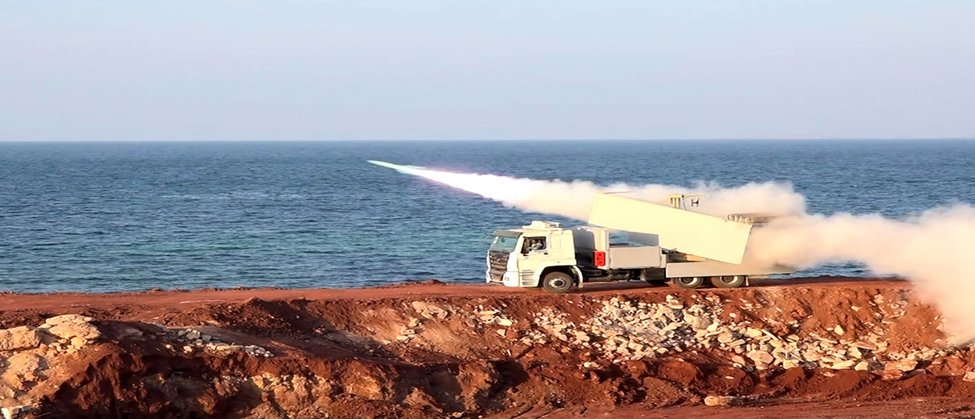
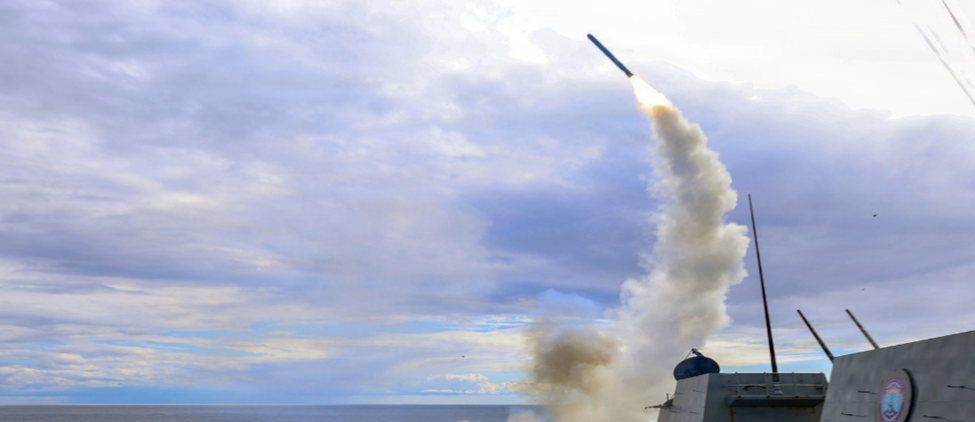
Following the initial attacks, Iran launched large-scale retaliatory operations. Iranian forces fired ballistic missiles and drones toward Israeli territory and U.S. military bases in the Gulf region. The conflict soon expanded to other countries hosting American or allied forces.
Missile and drone strikes have been reported in several Gulf states, including United Arab Emirates, Bahrain, Kuwait and Oman, where military bases and strategic infrastructure were targeted. Some of these attacks caused casualties and damage to oil facilities and commercial shipping.
Iran has also threatened to disrupt navigation in the strategically important Strait of Hormuz, a narrow maritime corridor through which a large portion of the world’s oil supply passes. Any disruption in this route could have major consequences for global energy markets.
Intensification of Fighting
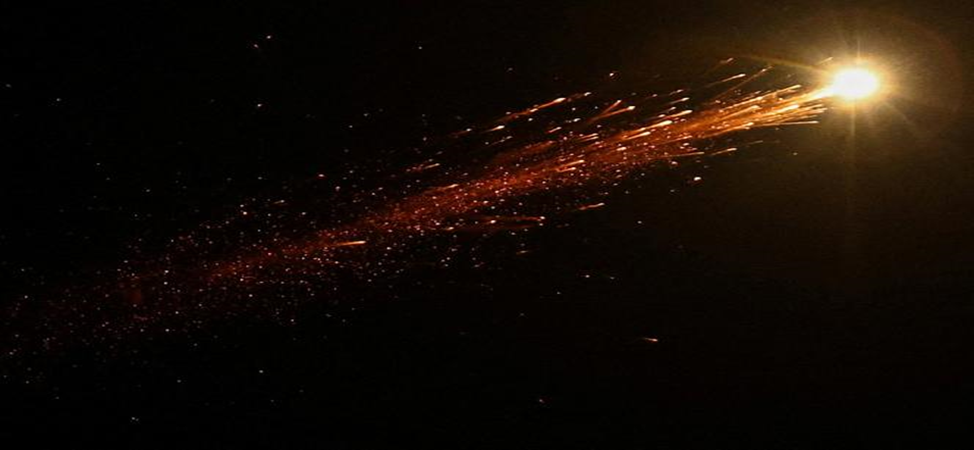
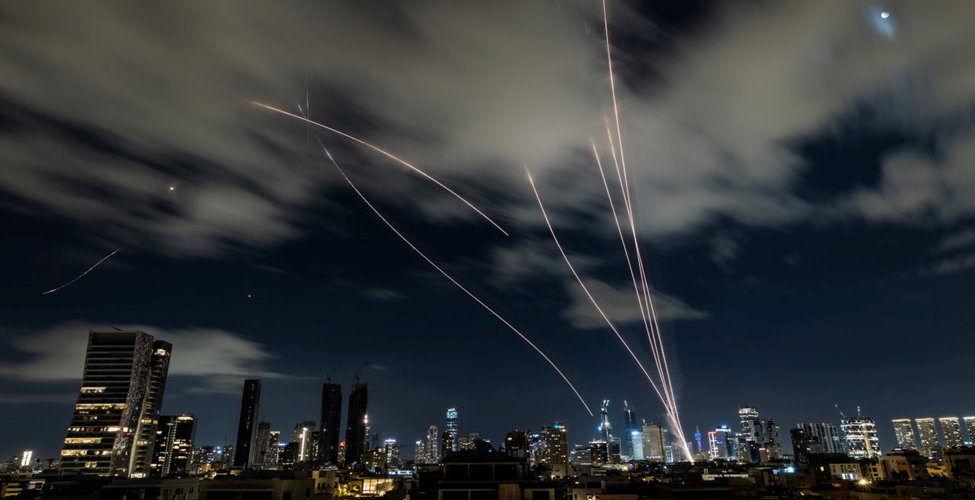
Recent reports indicate that the war has intensified, with continuing airstrikes and missile attacks on both sides. Israeli and U.S. forces have reportedly targeted additional Iranian military sites, while Iran has continued retaliatory strikes across the region. In some attacks, explosions and casualties were reported in Iranian cities including Isfahan.
Iranian authorities have also claimed that many civilian areas have been affected by the strikes, with significant damage to infrastructure and a rising number of casualties.
At the same time, Iran-aligned groups in the region have increased their activities. Militants linked to Iran have launched attacks against Israeli targets and U.S. interests, further widening the scope of the conflict.
Economic and Global Impact
The war is already having significant economic consequences worldwide. Concerns about disruptions in oil supplies have pushed global oil prices above $100 per barrel, reflecting fears that the conflict could affect shipments from the Gulf.
Shipping through the Strait of Hormuz has also become riskier, leading to higher insurance costs for vessels operating in the area.
International airlines have rerouted or cancelled flights across parts of the Middle East, while governments worldwide are urging restraint and calling for diplomatic solutions to avoid a broader war.
International Reactions
The conflict has sharply divided the international community. Several Western countries have expressed support for Israel’s security concerns, while others have criticized the attacks and warned that further escalation could destabilize the entire Middle East.
The United Nations and many global leaders have called for an immediate ceasefire and renewed diplomatic negotiations. However, with both sides continuing military operations, the prospects for a quick resolution remain uncertain.
Outlook
As the conflict enters its third week, analysts warn that the war could expand further if additional regional actors become directly involved. With missile strikes, air raids, and naval tensions continuing across the Middle East, the situation remains highly volatile.
The coming weeks will likely determine whether the conflict remains limited or evolves into a broader regional war with far-reaching geopolitical and economic consequences.