Jeffrey Epstein, photographed in 2006. Epstein died in a New York jail in 2019 while awaiting trial on federal sex-trafficking charges.


Washington / London — The long-running Jeffrey Epstein scandal has once again captured global attention following the release of additional government files and renewed public debate over how one of the most notorious sex-trafficking networks in modern history was allowed to operate for years without accountability for powerful figures connected to it.
Epstein, a wealthy financier, was accused of running a vast trafficking operation involving underage girls, many of whom say they were abused and passed on to influential men in the United States and abroad. Although Epstein died in federal custody in 2019 — in what authorities ruled a suicide — the case has never faded from public consciousness.

The U.S. Department of Justice headquarters in Washington, D.C., where newly released Epstein-related files are being processed.
New Files, Old Questions
Recent disclosures of Epstein-related documents have reignited anger among survivors and the public. While officials say the releases are part of transparency obligations, critics argue that many files remain heavily redacted, limiting the public’s understanding of who may have enabled or benefited from Epstein’s crimes.
Victims’ advocates insist that justice remains incomplete as long as Epstein’s associates — some of whom held positions of wealth, power, or influence — are not fully investigated.

Britain’s Prince Andrew, whose association with Epstein has drawn sustained public and legal scrutiny.
High-Profile Fallout
Among the most controversial figures linked to Epstein is Prince Andrew of the United Kingdom, who has consistently denied allegations that he abused a trafficked minor. The prince stepped back from royal duties after reaching a civil settlement in the United States in 2022, though no criminal charges were filed.
The resurfacing of Epstein files has renewed calls for further inquiry in both the U.S. and the U.K., with lawmakers urging authorities to ensure that no individual is shielded because of status or influence.
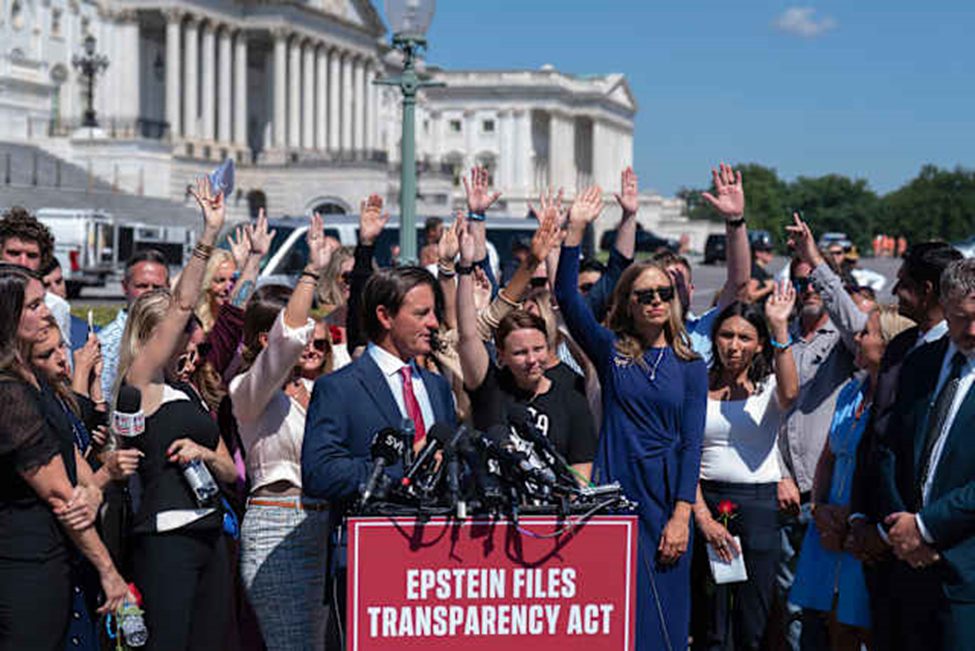
Protesters in New York call for justice for Epstein’s victims following his death in custody.
Survivors Demand Accountability
Survivors of Epstein’s abuse say the renewed attention is painful but necessary. Many argue that Epstein’s death prevented a full courtroom reckoning and that only complete transparency can restore trust in the justice system.


“We are still waiting for the truth,” survivor advocates say, emphasizing that Epstein did not act alone and that systemic failures allowed his crimes to continue for decades.
A Case That Refuses to Fade
Nearly seven years after Epstein’s death, the scandal continues to expose uncomfortable truths about power, privilege, and accountability. As journalists, lawyers, and lawmakers review the latest materials, one message remains clear: the Epstein case is not just about one man, but about the institutions that failed to stop him.
For many survivors, justice remains unfinished — and the demand for answers grows louder with every new document released.