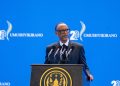
Kampala, January 15, 2026 — Ugandans today head to the polls to elect their next president, members of parliament, and local government leaders in general elections widely seen as a critical moment for the country’s political future.

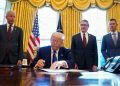
The elections, organized by the Uganda Electoral Commission, come after months of nationwide preparations, including voter registration, campaign activities, and deployment of election materials and personnel across the country. Authorities say polling stations opened on time in most areas, with security forces deployed to ensure calm and order throughout the voting process.

Presidential Race Draws Regional Attention
At the center of the contest is President Yoweri Kaguta Museveni, who has been in power since 1986 and is seeking another term in office. Museveni, now one of Africa’s longest-serving leaders, has campaigned on his government’s record in infrastructure development, regional security, and economic growth, pledging to consolidate stability and accelerate industrialization.
Challenging him is Robert Kyagulanyi, popularly known as Bobi Wine, leader of the opposition National Unity Platform (NUP). Kyagulanyi has positioned himself as the face of change, particularly appealing to Uganda’s youthful population. His campaign has focused on governance reforms, job creation, human rights, and tackling corruption.
Several other candidates are also contesting the presidency, though the main race is largely viewed as a contest between continuity and change.
Security and Electoral Environment
Security remains a central issue surrounding the elections. Opposition parties and civil society organizations have repeatedly called for a free, fair, and transparent process, urging authorities to refrain from intimidation and to respect political freedoms.
In response, Ugandan security agencies have assured the public that they are fully prepared to protect voters, candidates, and electoral materials. The police and army have emphasized that their role is to maintain peace and prevent violence before, during, and after voting.
While the official campaign period was largely peaceful, isolated incidents of clashes between supporters of rival parties were reported in some parts of the country.
Regional and International Implications
Political analysts note that the outcome of the elections will have significant implications not only for Uganda’s internal governance but also for regional stability, particularly in the Great Lakes region, where Uganda plays an important role in security and economic cooperation.
Uganda’s relations with neighboring countries, its participation in regional trade initiatives, and its role in peacekeeping operations are expected to be influenced by the direction taken by the next government.
Awaiting Results
Voting is expected to continue throughout the day, followed by vote counting at polling stations under the supervision of electoral officials and observers. The Electoral Commission has urged citizens to remain patient and calm as results are compiled and announced.
As Ugandans cast their ballots, both supporters of the ruling party and the opposition express hope that the process will reflect the will of the people and contribute to long-term peace and democratic stability in the country.